Martin of Tours
Third bishop of Tours, patron saint, and former Roman soldier.

Unknown Unknown . Architect: Étienne de Mortagne Eusebius · Public domain
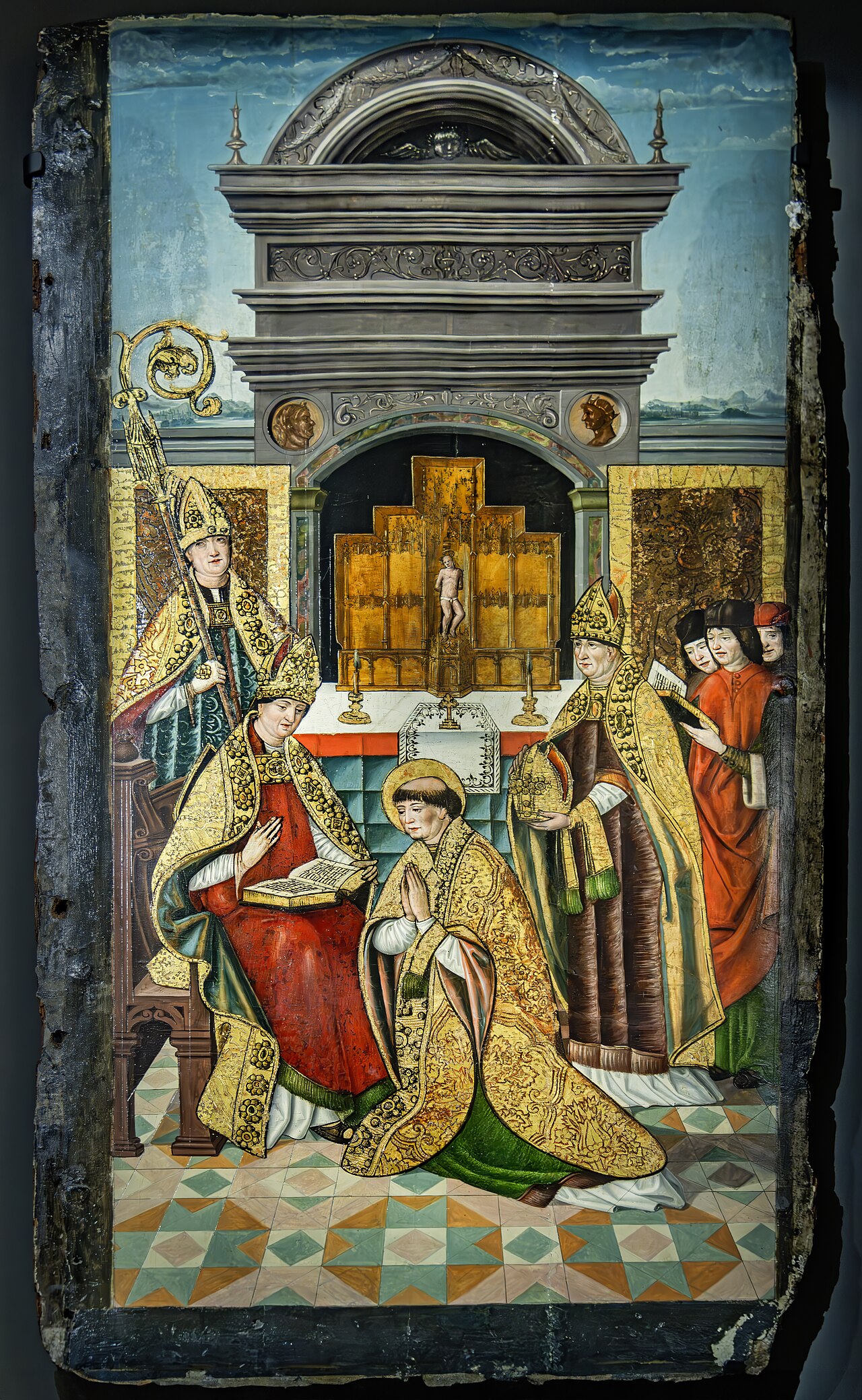
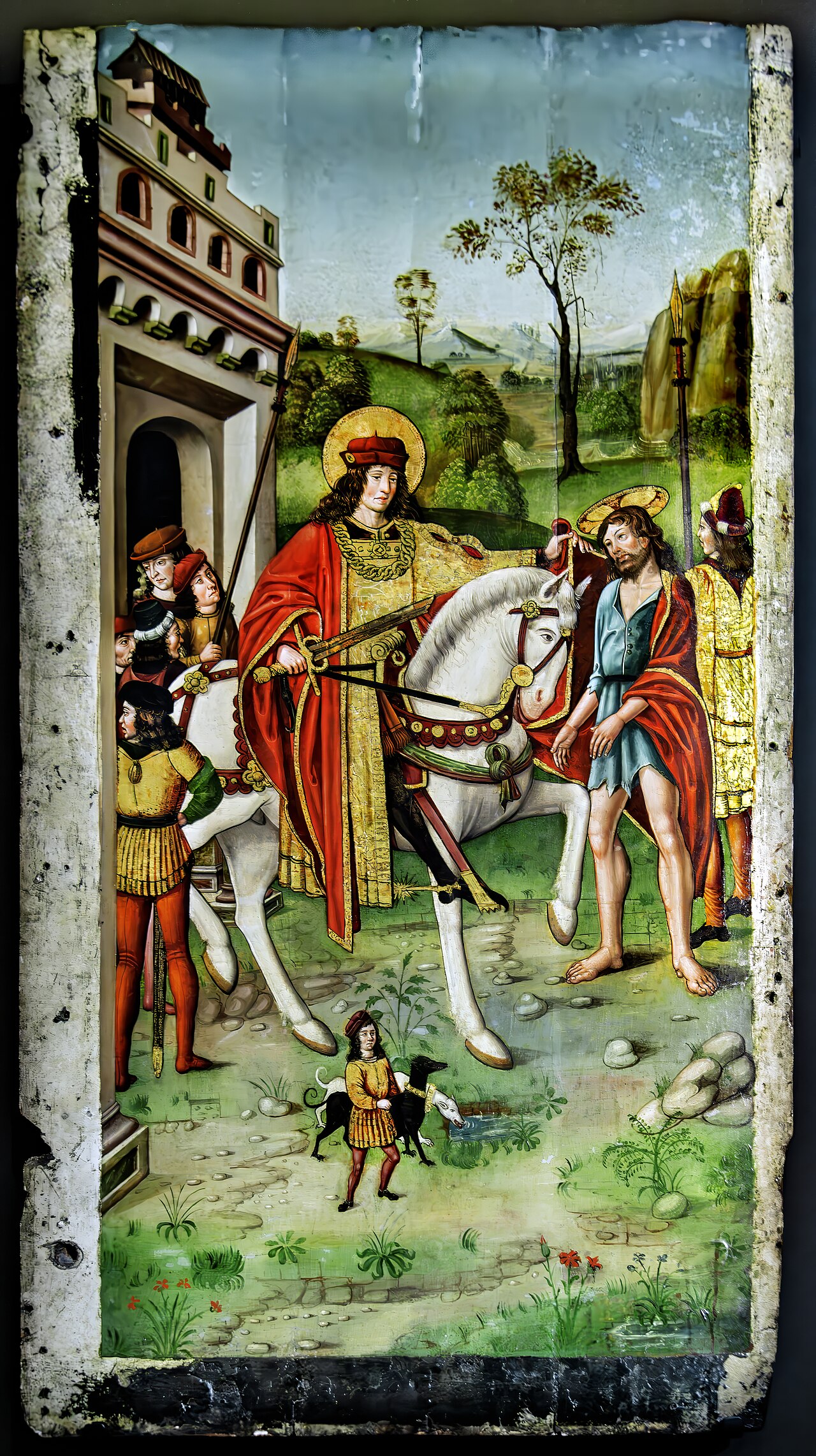
He is the patron saint of many communities and organizations across Europe, including of the former French Third Republic. A native of Pannonia (present-day Hungary), he converted to Christianity at a young age. As bishop, he was active in the suppression of the remnants of Gallo-Roman religion. He is best known for the account of his using his sword to cut his cloak in two, to give half to a beggar clad only in rags in winter. His shrine in Tours became an often-frequented stop for pilgrims on the road to Santiago de Compostela in Spain.
- field
- Bishop, monk, hagiographic subject
- nationality
- Pannonian (Roman citizen)
- known_for
- Cutting his cloak to share with a beggar; destruction of pagan temples; founding of Ligugé Abbey
Lore & Background
His father was a senior officer (tribune) in the Roman military. At age 10, he attended the Christian church against his parents' wishes and became a catechumen. As the son of a veteran officer, Martin at 15 was required to join a cavalry ala. He likely joined the Equites catafractarii Ambianenses, a heavy cavalry unit. Sulpicius Severus reports that just before a battle at Borbetomagus (now Worms, Germany), Martin declared himself a soldier of Christ and refused to fight, volunteering to go unarmed to the front. The battle never occurred, and Martin was released from military service. Martin declared his vocation and became a disciple of Hilary of Poitiers. He opposed the Arianism of the Imperial Court. When Hilary was forced into exile, Martin returned to Italy, converted an Alpine brigand, and confronted the Devil. He crossed the Alps to Pannonia, where he converted his mother but not his father. He was publicly whipped and forced to leave Illyricum for opposing Arians. He lived as a hermit on the island Gallinaria (now Isola d'Albenga). As bishop, he destroyed pagan temples, altars, and sculptures, and founded the rural monastery of Marmoutier. He introduced a rudimentary parish system and visited each parish annually.
Reader's Guide
Martin of Tours is significant as a key figure in the Christianization of Gaul and as a model of monasticism and episcopal leadership. His life, as recorded by the contemporary hagiographer Sulpicius Severus, includes numerous miracles: casting out demons, healing a paralytic, raising the dead, turning back flames from a house while burning a Roman temple, deflecting a felled sacred pine, and the healing power of a letter he wrote. His shrine in Tours became a major pilgrimage stop on the road to Santiago de Compostela. Martin's legacy includes his patronage of many communities and organizations across Europe, including the former French Third Republic. The account of his cutting his cloak for a beggar remains his most famous act, symbolizing charity and selflessness. His monastery at Ligugé claims to be the oldest known in western Europe.
Did You Know?
- He served in the Roman cavalry and was stationed at Amiens, France, where he likely cut his cloak for a beggar.
- His shrine in Tours became a frequent stop for pilgrims traveling to Santiago de Compostela.
Gallery
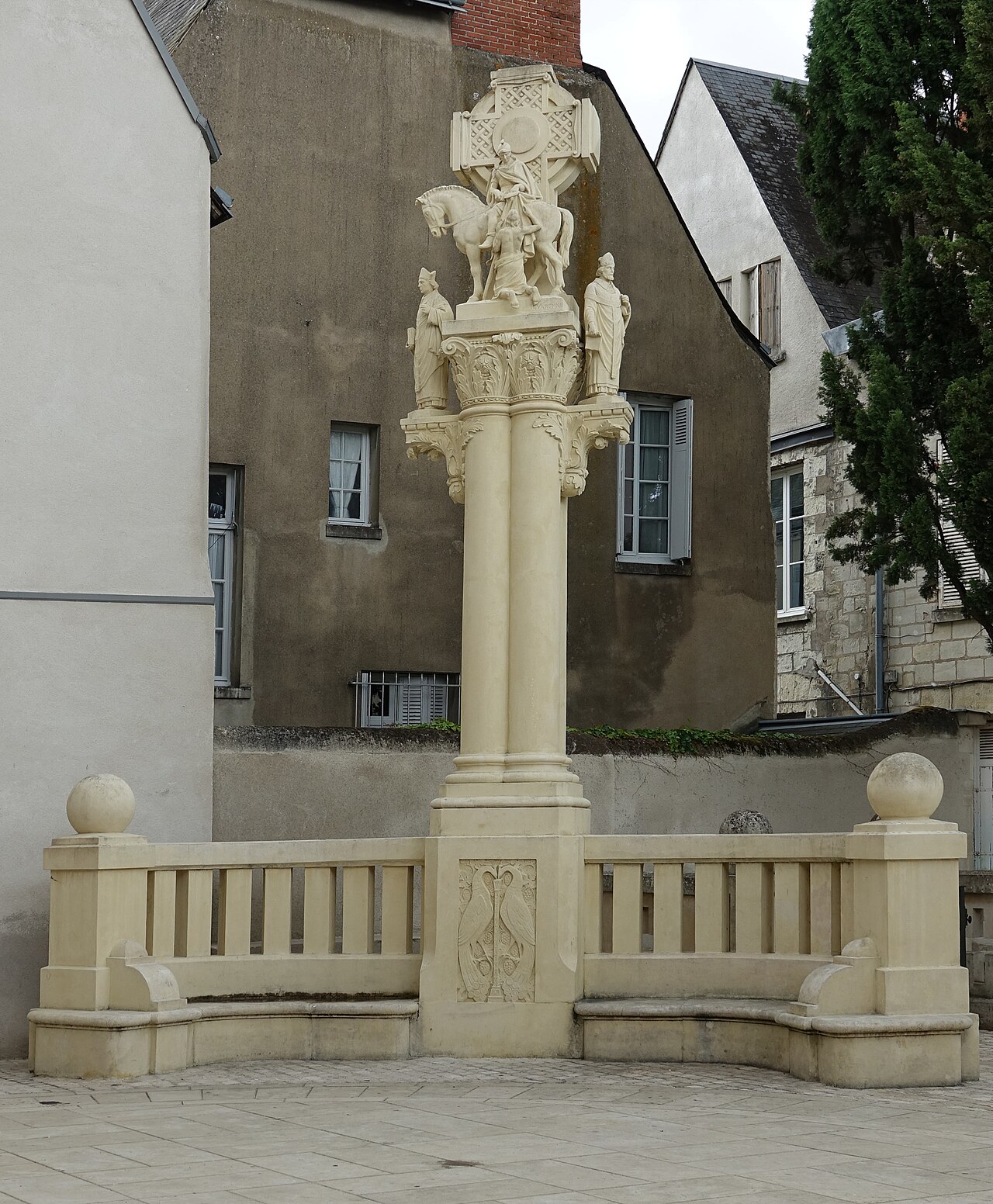
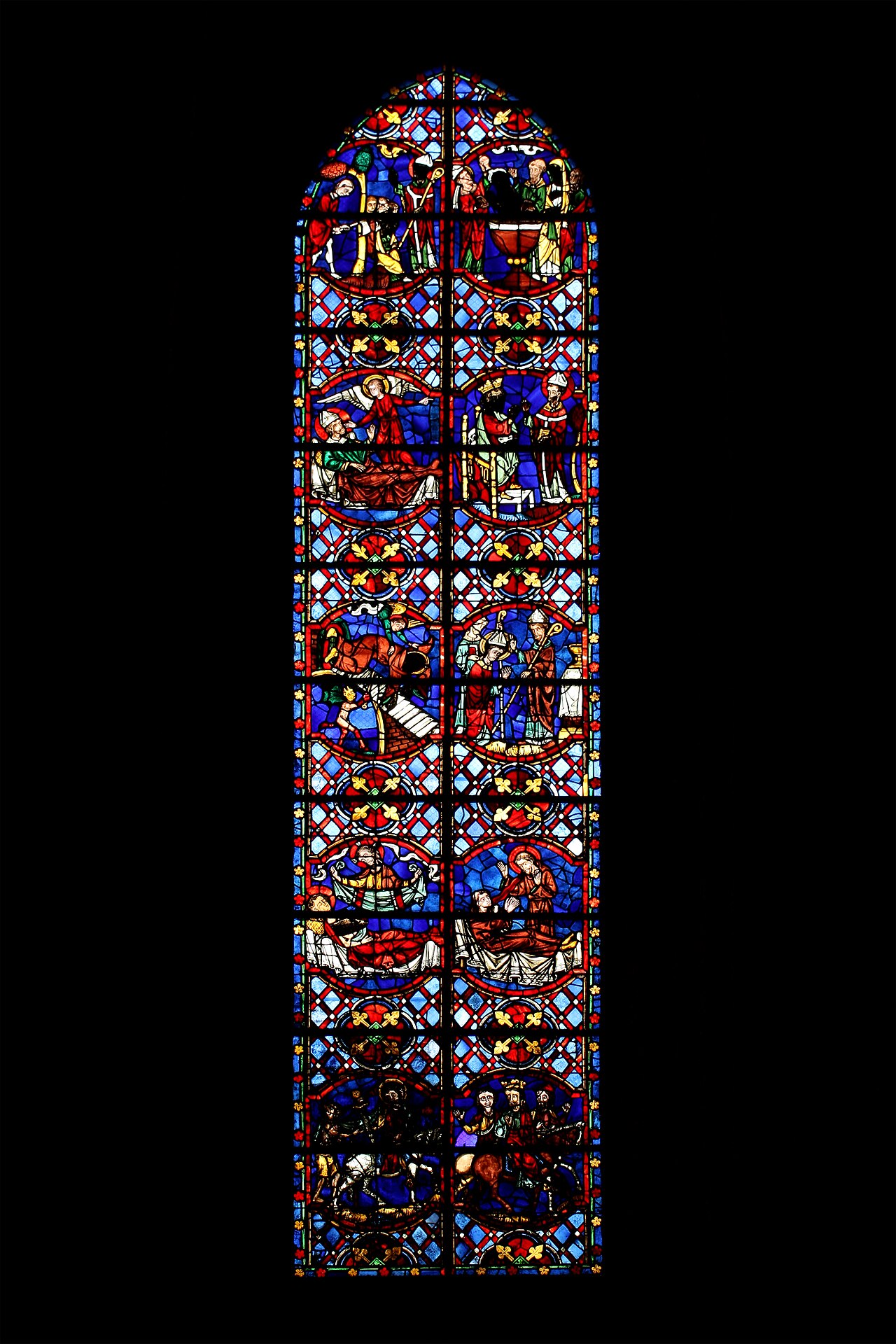
Frequently Asked Questions
Who is Martin of Tours?
He was a Pannonian-born former Roman cavalryman who became the third bishop of Tours in the late fourth century. He is one of the most widely venerated saints in Western Europe and the patron of numerous communities across France.
What is Martin of Tours's most famous story?
His best-known act involves slicing his military cloak in half to give to a shivering beggar he met outside Amiens. That single gesture of charity became the defining image of his sanctity and appears in countless depictions of the saint.
Why is Martin of Tours considered important?
He founded the monastery at Ligugé, one of the earliest monastic communities in Gaul, and worked to dismantle pagan temples during his episcopate. He was also adopted as a patron saint of the French Third Republic, cementing his place in national identity.
More in Catholic Saints & Popes 1-24
Elsewhere in the Catholic Saints & Popes universe
Spotted an error? Know more?
This is a living reference — every entry is fact-audited, and reader corrections feed straight into our audit queue. Suggest an edit · See this site's audit record